No-Heat Call Checklist: What to Do Before You Schedule Heating Repair
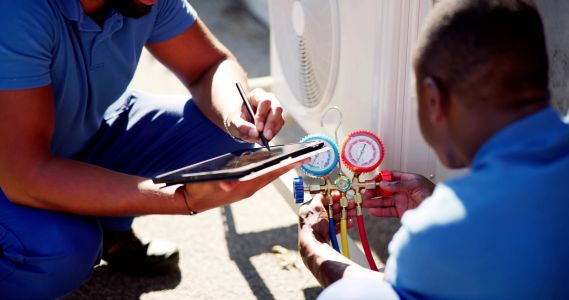
When your home feels cold on a Midlands morning, it is stressful. Before you pick up the phone, a short checklist can help your technician find the problem faster and restore comfort. If the heat is out right now, you can still schedule heating repair and then use this guide to share clear, helpful details when you speak with Davis Climate Control.
Safety First: Know When It Is an Emergency
Your family’s safety comes first. If you smell gas, leave the home and call 911. Treat smoke, sparking, or a carbon monoxide alarm as emergencies too. Do not reenter the house until first responders or your utility provider say it is safe.
Some issues can wait for a standard visit, but anything that involves burning smells, visible flame where it should not be, or repeated tripping of a safety device is a red flag. Do not attempt to repair or bypass any safety devices. Your technician will handle diagnostics with the right tools and process.
Quick Information to Gather Before You Call
You do not need to fix anything. Simply note what you see and hear so your technician can get a head start. This information is safe to collect and makes the first conversation more productive:
- Write down the exact thermostat settings you see. Note the current temperature, setpoint, and whether it shows Heat or Emergency Heat. If the screen is blank, say so.
- Have your filter size ready. If you know when it was last changed, include that date. If not, just share what you can see or remember.
- Share what you notice near the equipment. Look for any indicator lights or messages on the furnace or air handler. Describe colors or blinking patterns without opening panels.
- Tell us about the electrical panel labels that mention “furnace,” “air handler,” or “heat pump.” Do not reset anything if you are unsure; just let us know what is labeled.
- Mention unusual sounds or smells. Rattling, squealing, grinding, or a sharp electrical odor can point us in the right direction.
- Weather notes help too. In Columbia, periods near freezing with rain can affect heat pump performance. Share the time you first noticed the home cooling down.
Local insight: On damp winter mornings in Columbia, heat pumps can build frost during normal defrost cycles. A thin layer of ice can be expected; thick ice that does not clear is not. Avoid chipping ice yourself and let a technician evaluate it safely.
What Your Technician Will Ask on the Phone
Expect a few focused questions so we can plan the right tools and parts:
- Type of system: gas furnace, electric air handler with heat pump, or dual-fuel setup
- Approximate age of the system and any recent service or filter changes
- Where the equipment is located: attic, closet, crawlspace, garage, or outside pad
- Whether any rooms are colder than others, like a bonus room over the garage or a back bedroom
- Whether the heat came on and then shut off, never came on, or cycles on and off
If you are not sure about any answer, that is fine. Clear, simple descriptions are all we need to start building a diagnostic plan.
Why Homes in Columbia, SC Lose Heat
Columbia’s winters are usually mild, but sudden cold snaps and high humidity create unique stress on heating systems. A few common reasons for a no-heat call include:
- Thermostat communication problems. Weak batteries, miscommunication between smart devices, or incorrect schedules can keep heat from starting. Sharing your current settings helps us rule this out quickly.
- Airflow issues. Even a slightly loaded filter or blocked return grille can reduce warm air, especially during January and February cold snaps. Your notes about filter size and last change help us prepare.
- Heat pump defrost or auxiliary heat concerns. In icy rain, outdoor units work harder. If auxiliary heat does not engage, indoor temperatures can drift down. Your observations on timing and weather are valuable clues.
- Safety lockouts. Modern furnaces and air handlers protect themselves when sensors detect unsafe conditions. Describing any lights or fault codes you see helps a trained tech pinpoint the cause without guesswork.
If your system has struggled to keep up in older brick homes in Shandon or Rosewood, or in newer open-floorplan homes in Northeast Columbia, we may also look at airflow balance and insulation impacts. When broader comfort issues show up, we can discuss options within our heating and cooling services after your immediate heat is restored.
How to Prepare Your Home for a Faster Visit
You do not need tools to help your appointment go smoothly. A few simple preparations can shorten the time it takes to diagnose and restore heat:
- Clear a safe path to indoor equipment, the thermostat, and any attic or crawlspace access.
- Secure pets in a quiet room so the technician can move freely and keep doors closed.
- Have any past service paperwork available, even notes from last season’s tune-up.
- Know any smart thermostat app login details if you use one, so we can review settings with you.
- Make sure outdoor units are reachable by removing lightweight yard items that might block access.
If you are searching for an HVAC company in Columbia, SC because the house is cooling fast during a cold front, these steps help us get right to the core issue. For homes that experience repeated outages during storms, we can also talk about backup power options such as standby generators so essential systems stay on when the grid blinks.
What Not to Do While You Wait
It is tempting to push buttons or try quick fixes. Skip anything that involves opening panels, changing wiring, or bypassing switches. Avoid covering supply vents with towels or furniture to “force” more heat into a room, since that reduces airflow and can trigger safety shutdowns. Keep portable heaters at least three feet from curtains and bedding, and never use an oven for heat.
When to Schedule Professional Heating Repair
If the thermostat reads Heat but the temperature keeps dropping, schedule service as soon as you can so your visit is prioritized based on conditions. Describe everything you recorded from the checklist. That context helps the dispatcher match the right technician and prepare for your system type. If your system has shut down multiple times in the last 24 hours or if elderly family members, young children, or medical needs are in the home, share that so we can plan appropriately.
When you are ready, choose convenient times and let us know the best contact number. If the weather is turning colder across Forest Acres, West Columbia, or downtown, appointment windows can fill quickly. You can request expert heating repair with Davis Climate Control, and we will take it from there.
Columbia, SC Weather Tips That Help Your Technician
Our area’s winter pattern includes chilly mornings near freezing, damp air, and quick warmups by afternoon. That swing matters. Make a note if the heat struggles only at sunrise or only after dark. Tell us if you noticed outdoor unit frosting during a cold rain in Cayce or Irmo, or if indoor comfort drops mostly on windy nights. These details narrow down the cause and keep the visit efficient.
Ready to Get Warm Again? Call the Local Pros
When you need fast help, call 803-359-6638. A friendly coordinator at Davis Climate Control will walk through the checklist with you and schedule a visit. For a prompt, professional fix, book your service, and we will restore comfort with care throughout Columbia and the surrounding neighborhoods.
Contact Our Columbia HVAC Company for Any AC & Heating Repairs Today!