Duct Repair or Replacement? How to Stop Hot/Cold Spots
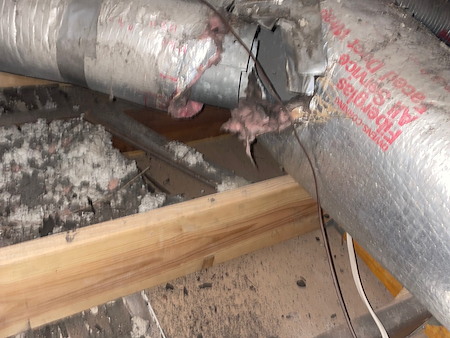
Do some rooms feel like August while others feel like January? That kind of uneven comfort often points to duct problems. In many homes around Shandon, Rosewood, Forest Acres, and across Northeast Columbia, the fix comes down to choosing the right path: targeted repair or full duct replacement. This guide walks you through what really causes hot and cold spots and how a pro decides the best solution for your home.
By the end, you will understand how sizing, static pressure, sealing, and layout work together, and why the right choice protects comfort, air quality, and your HVAC system.
What Hot and Cold Spots Really Mean in Columbia Homes
Hot and cold spots are usually airflow problems, not just thermostat settings. Common culprits include kinks or crushed flex runs, leaky joints in the attic or crawlspace, long runs feeding distant rooms, and returns that are too small for the system’s needs.
Humidity adds another layer in the Midlands. When ducts leak in a vented crawlspace or attic, warm, moist air can be pulled into the system, making rooms muggy in summer and clammy in shoulder seasons. That extra moisture can reduce comfort even when the thermostat says you are on target.
Duct Repair vs. Replacement: Quick Decision Guide
Both repair and replacement can work. The right choice depends on the age and condition of your ductwork, how it was sized, and how well it is sealed and supported.
- Choose repair when the layout and size are correct, but a few joints leak, a damper is stuck, or a short section is damaged.
- Choose replacement when runs are undersized, returns are inadequate, ducts are deteriorated, or the layout starves distant rooms of airflow.
If ducts are crushed, collapsed, or moldy, replacement is safer than repair. A short fix cannot overcome fundamental design or condition issues.
How Sizing, Static Pressure, and Sealing Fix Uneven Rooms
Ducts are like roads for air. The right width, length, and turns decide how much “traffic” can reach each room. Technicians look at three things first: proper sizing, total external static pressure, and airtight sealing.
High static pressure starves rooms of airflow and strains the blower. Think of pressure like congestion on a highway. If returns are too small or filters are too restrictive, pressure rises and airflow to far rooms drops. Balancing the system often means increasing return size, smoothing sharp elbows, and using low-resistance filters that the system can actually handle.
Sealing matters too. Even a small gap at a plenum or takeoff can steal air before it reaches your family room. Professional sealing with the right mastics and fittings locks in the airflow your equipment is trying to deliver.
Signs Your Ducts Are Past Their Prime
Some signals point to deeper issues that simple repairs will not fix. Watch for these patterns over time, not just on one extreme-weather day.
- Rooms at the end of long runs that never match the hallway temperature, winter or summer.
- Flex duct with tight bends, long unsupported spans, or sections lying on attic joists that have flattened over the years.
- Returns that whistle, filters that get dirty too fast, or doors that push closed when the system runs.
- Musty smells when the air starts, or visible gaps and old tape failing at plenums and trunks.
Persistent dust and insulation fibers at registers are a red flag. That often means return leaks are pulling particles from the attic or crawlspace into the airstream.
What a Professional Duct Evaluation Looks Like
A thorough visit goes beyond a flashlight check. Your technician should measure static pressure, inspect each supply and return path, and confirm airflow in critical rooms. They will also compare duct size to the equipment capacity and the expected airflow each room needs.
When replacement is recommended, the plan typically includes right-sizing trunks and branches, improving return pathways, sealing and insulating new ducts, and simplifying the layout to cut losses. If the system is basically sound, targeted repairs might include sealing leaky joints, replacing crushed sections, adding balancing dampers, or improving supports.
If you are already researching options, it helps to skim the broader system view on our heating and cooling services page so you can see how the ductwork fits into comfort, efficiency, and equipment health.
Common Columbia, SC Home Scenarios
Every neighborhood has patterns. Here are a few we run into across the area:
Shandon and Rosewood bungalows often have long supply runs added during past remodels. Those end rooms may need larger branches and a better return path to catch up. Forest Acres ranch homes sometimes rely on older ductboard trunks that have weakened or were never sealed well at takeoffs. In newer builds across Northeast Columbia and Blythewood, undersized returns can push static pressure over the target and make bonus rooms hard to condition.
Across Lake Murray communities and parts of Lexington and Irmo, second-floor rooms can be the bottleneck. A revised layout with short, direct runs and better insulation often makes the biggest difference upstairs.
When Repair Wins
Repair is a good option when the bones are right. If a home was originally sized correctly and the layout is sensible, strategic fixes can close the gap between your thermostat setting and what you feel in the room.
Typical wins include resealing a leaky plenum, replacing a crushed flex elbow, adding a short return run to relieve pressure, or fine-tuning balancing dampers so each room gets its share. The key is proving the fix on paper first with pressure and airflow numbers, then confirming results with register readings.
When Replacement Pays Off
Replacement pays off when you face systemic problems. You might see this after an addition where only the equipment changed, not the duct sizes, or in homes where original runs were routed for convenience rather than performance. New ducts sized for your system and rooms can solve years of uneven comfort in a single project.
Another case is deteriorated or contaminated duct materials. If the inner liner is failing or the insulation is damaged, replacement protects air quality and performance for the long term.
Why Timing Matters In The Midlands Climate
Mid-summer heat and humidity in Columbia push systems hard. That is when weak ductwork shows itself with long runtimes and rooms that never catch up. On chilly winter mornings, poorly sealed ducts let precious heat drift into the attic or crawlspace instead of the bedroom that needs it.
Addressing duct issues before peak seasons protects comfort and helps your system avoid unnecessary strain. You feel the benefits daily, not just on the hottest or coldest afternoons.
What To Expect If You Move Forward
With replacement, a team will map your current layout, perform measurements, and design a simplified route that delivers steady airflow to priority rooms. Materials are chosen for the location and support method, and joints are sealed to stop leaks where they start. Crews work carefully in attics and crawlspaces to protect insulation and finishes while they remove old sections and install the new.
Afterward, testing verifies airflow and pressure, so your results match the plan. You should notice quieter operation, balanced temperatures, and cleaner indoor air. Many homeowners also report fewer system cycles because air finally reaches each room as designed.
A Note On Equipment And Accessories
Right-sized ducts can help your existing HVAC system shine, but they also prepare the home for future upgrades. If you are considering air quality improvements or standby power for peace of mind during storms, you can learn more on our whole-home generators page. Ducts that seal tight and deliver steady airflow support cleaner filtration and stable performance across your entire system.
Local Clues You Shouldn’t Ignore
Columbia’s mix of attic and crawlspace duct runs makes moisture control and insulation critical. If you see dark streaks on attic insulation near ducts, or feel a strong temperature jump when you open the access hatch, it is a sign that air and heat are not staying where they belong. A quick professional look can tell you whether a targeted repair will do the trick or if a larger plan is smarter.
Never assume new equipment alone will fix airflow problems. Air must travel through a path that fits the job. When the path is too small or too leaky, even the best system cannot carry comfort to the last bedroom.
Stop Guessing And Start Testing
The fastest way to the right answer is data. A short visit with static pressure and airflow tests pinpoints bottlenecks. From there, you can compare a repair path versus a redesign, with clear expectations for each. If replacement makes sense, ask about layout simplifications that shorten runs and remove sharp turns, because every foot and fitting affects airflow.
If you are ready to explore solutions, you can learn how the process works on our page for duct replacement, then book a visit that starts with testing rather than guesswork.
Choose A Partner You Can Trust
You deserve a comfortable home all year. With a careful evaluation, clear design, and verified results, you can finally retire the space heaters in December and the box fans in July. For a quick overview of everything we handle, start at our home page and learn more about our HVAC company in Columbia, SC.
If you prefer to talk it through, call 803-359-6638 and ask for a comfort assessment that includes pressure and airflow testing. We will explain the numbers in plain language and show you the path to balanced rooms.
Ready To Breathe And Feel Better?
Uneven rooms, musty smells, or constant filter changes are not normal. The right plan can restore airflow, improve indoor air quality, and lower system stress so your home feels stable from the kitchen to the bonus room. When it is time to act, schedule your assessment and see the difference with duct replacement designed for your home and the Columbia climate.
For fast help, call Davis Climate Control at 803-359-6638 today.
Contact Our Columbia HVAC Company for Any AC & Heating Repairs Today!